The Complete Tattoo Guide
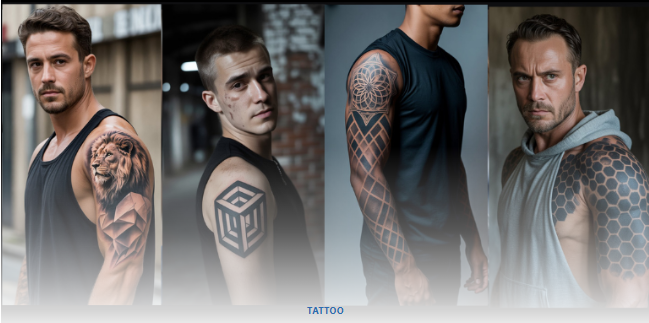
Tattoos are a form of body modification practiced for centuries — ink inserted into the dermis to create a permanent design. Whether simple or complex, tattoos can represent personal beliefs, cultural heritage, or simply a love of art. Here's everything to know before you book your next session.

5% Off New Customers
Dragon Hawk Tattoo Supplies
Use code DKTATTOO at checkout for 5% off your first order.
The history of tattooing
The exact origins of tattooing are unknown, but it's believed to have originated in Polynesia over 2,000 years ago. Tattoos were seen as a way to connect with the spirit world and mark important life events. They were also used as a form of social status and to identify warriors. Tattooing spread across the world over time and became especially popular in the West starting in the early 20th century — and it's continued growing ever since.

Design Collection
Check Out the Biggest Collection
Browse one of the largest tattoo design libraries online.
Different styles of tattooing
There are many different tattoo styles, each with a unique look and feel. Here are some of the most popular.
Traditional (Old School)
Bold outlines, a limited palette (red, blue, yellow, black, green), and iconic imagery synonymous with tattoo culture.
- Animals (eagles, hawks, lions, tigers)
- Nautical imagery (ships, anchors, swallows)
- Flowers, hearts, skulls, daggers, religious symbols
Japanese (Irezumi)
Vibrant colors, detailed illustrations, and a focus on specific subjects — often large pieces covering sleeves, backs, or legs.
- Koi fish (perseverance)
- Dragons (power and wisdom)
- Tigers (strength and courage)
- Cherry blossoms (beauty and the fleeting nature of life)
- Samurai warriors (honor and loyalty)
American Traditional
A nautical spin on traditional style — ships, anchors, mermaids, lighthouses, and pin-up girls, using the same bold lines and limited palette.
Blackwork
Bold, graphic designs using only black ink — works for simple or complex pieces, with shading techniques creating depth. Great for a dramatic or minimalist look.
Watercolor
A relatively new style capturing the soft, blended look of watercolor paintings — light and airy with muted colors and minimal outlining.

Shop on Amazon
Buy Tattoo Supplies
Everything you need for at-home touch-ups and aftercare.
The cost of tattoos
Several factors shape the final price of a tattoo:
- Size — small tattoos (under 2 inches) are generally much cheaper than larger pieces.
- Complexity — simple linework or solid color costs less than heavy shading, fine detail, or color realism.
- Artist experience — highly sought-after artists with extensive portfolios charge more per hour.
- Shop rates — minimum prices per session or hourly rates vary by location and reputation.
- Placement — areas with more movement or detail (hands, feet, fingers) require more skill and time.
Typical price ranges
- Small & simple: from around $50 for minimal shading or color.
- Medium & moderately complex (4–6 inches): roughly $150–$300 and up.
- Large & complex (8+ inches): can run into the thousands across multiple sessions.
Some shops charge a consultation fee (which may be applied to your final price), and most artists require a deposit to book.
Disclosure: This blog uses affiliate links — I may earn a small commission when you click through and make a purchase. No cost to you.
Finding a tattoo artist
A tattoo is a permanent decision, so choosing the right artist matters. Here's how to find someone you can trust.
Gather recommendations
- Word of mouth: ask friends, family, or colleagues with tattoos you admire.
- Online research: artist directories, Instagram, and review sites.
Evaluate the artist's portfolio
- Style match: does their work align with what you want?
- Quality & consistency: clean lines, smooth shading, vibrant color across pieces.
- Attention to detail: realistic portraits, intricate linework — whatever matters most to you.
Read client reviews
- Check Google, the shop's site, and social media — don't rely on a single source.
- Look for mentions of professionalism, hygiene, communication, and how ideas translate into finished tattoos.
Additional tips
- Visit the shop in person to check cleanliness and professionalism.
- Book a consultation to discuss your design and assess their approach.
- Hygiene & safety: sterilized equipment, proper needle disposal, a clean environment.

Fiverr Service
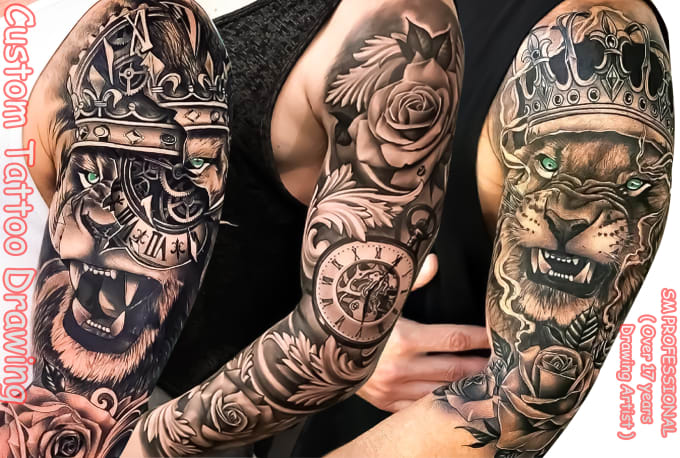
Get a Custom Tattoo Design
Work with a designer to create a tattoo built around your idea.
Taking care of your tattoo
A proper aftercare routine is essential for smooth healing and a vibrant tattoo that lasts.
General aftercare
- Cleaning: wash gently 2–3 times a day with lukewarm water and a mild, fragrance-free antibacterial soap (e.g. Dial Gold, Dove White Beauty Bar).
- Drying: pat dry with a clean, lint-free paper towel or air dry — avoid rubbing.
- Moisturizing: a thin layer of a fragrance-free, breathable ointment (e.g. Aquaphor, Lubriderm). Avoid petroleum-based products like Vaseline.
- Avoidance: keep dry for the first few days — no swimming, baths, or tight clothing.
- Protection: avoid direct sun during healing; use SPF 30+ once fully healed to prevent fading.
Lifestyle habits for optimal healing
- No picking or scratching — this can cause scarring or infection.
- Wear loose, breathable clothing over the area.
- Avoid strenuous activity that causes sweating or friction for a week or two.
- Avoid sleeping on the new tattoo to prevent irritation.
- Always follow your artist's specific aftercare instructions.